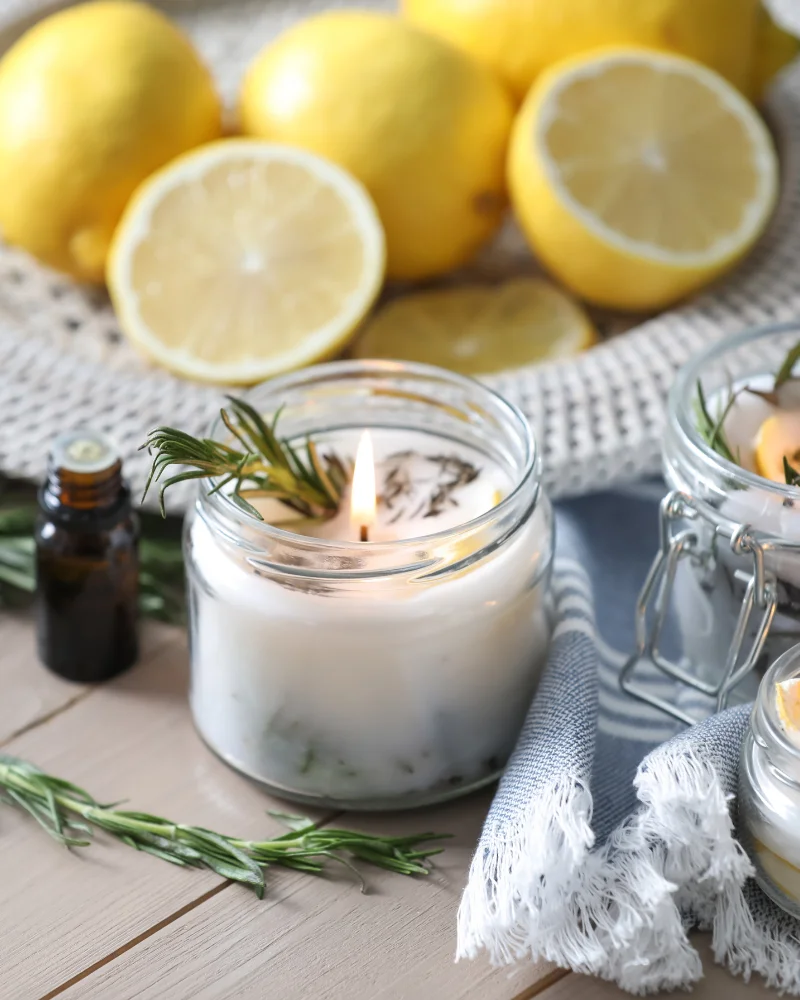
Unlock Your Inner Chandler: A Beginner's Guide to Non-Toxic Soy & Essential Oil Candles
There's a unique satisfaction in crafting something beautiful with your own hands, and when that creation fills your home with warmth and delightful fragrance, it's nothing short of magical. If you've ever admired the flickering glow of a candle and wished you could make your own, you're in for a treat. This comprehensive guide to candle making for beginners will show you how to transform simple ingredients into stunning, non-toxic candles using the natural goodness of soy wax and pure essential oils. It's a journey into creativity that's rewarding, eco-friendly, and surprisingly simple.
Homemade candles are more than just a decorative item; they're a personal statement, a thoughtful gift, and a lovely way to infuse your living space with calm and character. Imagine crafting a batch of custom-scented candles, ready to be gifted for birthdays, thank-yous, or simply to add a cozy ambiance to your own home. Beyond the joy of creation, opting for non-toxic ingredients means you can enjoy that soothing glow without worrying about harmful chemicals or excessive soot. Ready to get started?
Why Embrace Non-Toxic Candle Making? The Benefits Beyond the Burn
Diving into candle making for beginners isn't just about learning a new craft; it's about making conscious choices for your home and health. While store-bought candles can be beautiful, many contain paraffin wax, artificial fragrances, and wicks with lead cores, all of which can release undesirable compounds into your air. Choosing to make your own with soy wax and essential oils offers a multitude of benefits.
A Healthier Glow for Your Home
The primary appeal of non-toxic candles lies in what they *don't* release into your environment. Traditional paraffin wax is a byproduct of petroleum and can release harmful volatile organic compounds (VOCs) when burned. Our choice, soy wax, is a natural, renewable resource that burns much cleaner, producing significantly less soot. This means you can enjoy the cozy candlelight without worrying about black residue on your walls or harmful particles clouding your air. When it comes to fragrance, 100% pure essential oils are concentrated extracts from plants, offering authentic aromas without the synthetic chemicals often found in fragrance oils. This is a major plus if you have pets, children, or simply want to ensure a cleaner air quality in your space.
Sustainable & Budget-Friendly Crafting
High-quality, eco-friendly candles from artisanal brands can come with a surprisingly hefty price tag. But when you make them at home, you're getting beautiful, clean-burning candles for a fraction of the cost. Soy wax flakes are readily available and quite affordable, especially when purchased in bulk. Combine this with essential oils, and you're crafting luxurious candles that rival premium brands without breaking the bank. This financial saving, coupled with the sustainable nature of soy wax, makes homemade candles an incredibly smart choice. For more insights on cost-effective crafting, check out our guide on Make Eco-Friendly Candles: Save Money & Craft Thoughtful Gifts.
The Joy of Personalized Gifts & Creative Expression
There's nothing quite like the personal touch of a handmade gift. With homemade candles, the possibilities for personalization are endless. You can mix and match essential oil blends to create unique scents that perfectly capture a mood or suit a specific recipient. Imagine a calming lavender and cedarwood blend for a friend who needs relaxation, or a vibrant citrus and mint for an uplifting boost. Beyond scent, you can choose various vessels, add dried botanicals, or design custom labels, making each candle a truly unique and heartfelt present. This creative freedom is what makes candle making for beginners such a captivating and rewarding hobby.
Essential Supplies for Your First Non-Toxic Candles
One of the reasons candle making for beginners is so appealing is its simplicity. You don't need a vast array of specialized equipment to get started. Many of the tools you'll need might already be in your kitchen! Here’s a rundown of the fundamental ingredients and supplies for crafting your clean-burning candles.
The Foundation: Soy Wax Flakes
Soy wax is the star of our non-toxic candles. Made from hydrogenated soybean oil, it's a natural, renewable, and biodegradable resource. Unlike paraffin, soy wax burns at a cooler temperature, leading to a longer-lasting candle. It also has excellent "scent throw," meaning it disperses fragrance beautifully throughout your space. Always opt for 100% natural soy wax flakes for the cleanest burn.
Nature's Fragrance: Pure Essential Oils
Essential oils are the concentrated aromatic compounds extracted from plants. They offer an incredible array of scents, from floral and woody to citrusy and spicy, all derived from nature. When selecting essential oils, always prioritize 100% pure, therapeutic-grade oils to ensure you're getting authentic, unadulterated fragrance without synthetic additives. Experiment with different single oils or create your own custom blends, but remember that a little goes a long way due to their potency.
Clean-Burning Wicks: The Heart of Your Candle
The wick is crucial for a clean, even burn. Traditional wicks can sometimes be made from cotton or other synthetic materials that may release undesirable compounds. For our non-toxic candles, we recommend natural wicks made from materials like hemp, organic cotton, or wood. These eco-friendly options produce less soot and contribute to a healthier burn. Ensure you choose the correct wick size for your container diameter; a wick that's too small will cause tunneling, while one too large will produce excessive soot and a quick burn.
Basic Tools You'll Need
- Heat-Proof Pouring Pitcher or Double Boiler: Essential for safely melting wax. A double boiler method (a glass bowl over a saucepan of simmering water) works perfectly.
- Thermometer: A candy or digital thermometer is indispensable for monitoring wax temperature. Adding essential oils and pouring at the correct temperatures is key to a well-finished candle and good scent throw.
- Disposable Stirring Device: A simple wooden stick, bamboo skewer, or even a dedicated metal spoon for stirring wax and oils.
- Wick Clips or Centering Devices: These handy tools hold your wick upright and centered while the wax sets, ensuring an even burn.
- Containers: Heat-proof glass jars, tins, or ceramic vessels are perfect. Always clean and dry them thoroughly before use.
- Scissors: For trimming wicks.
- Scale (Optional but Recommended): For precise measuring of wax and essential oils, especially if you plan to make larger batches.
Your Step-by-Step Guide to Non-Toxic Candle Making
Embarking on your first candle making for beginners project is exciting! Follow these simple steps to create beautiful, aromatic candles with confidence.
Step 1: Prepare Your Workspace & Vessels
Lay down newspaper or a protective covering on your workspace to catch any spills. Ensure your chosen candle containers are clean, dry, and at room temperature. Secure your natural wicks to the bottom center of each container using a dab of hot glue or a wick sticker. Use a wick centering device or clothespin to hold the wick upright and taut at the top of the container.
Step 2: Melt the Soy Wax
Measure out your soy wax flakes. A good rule of thumb is to use twice the amount of wax by weight as the volume of your container (e.g., for an 8oz container, you'll need about 8oz of wax, but measure roughly double the flakes as they melt down). Place the wax in your pouring pitcher or the top of your double boiler. Gently heat the wax over a double boiler or on low heat until it's completely melted and clear, stirring occasionally. Monitor the temperature with your thermometer; aim for around 180-185°F (82-85°C).
Step 3: Add Essential Oils
Once the wax is fully melted and has reached the desired temperature, remove it from the heat. Allow the wax to cool slightly to around 170-175°F (77-79°C) before adding your essential oils. Adding oils at a higher temperature can cause them to evaporate too quickly, diminishing your candle's scent. A common essential oil usage rate is typically 6-10% of the wax weight (e.g., for 8oz of wax, use 0.48-0.8oz of essential oil). Add your chosen essential oils and stir gently but thoroughly for about 2 minutes to ensure they are fully incorporated into the wax.
Step 4: Pour & Wick
Allow the wax to cool further to around 135-145°F (57-63°C) before pouring. Pouring at this lower temperature helps prevent frosting, sinkholes, and ensures better adhesion to the container walls. Carefully pour the wax into your prepared containers, leaving about ½ inch of space from the rim. Ensure your wicks remain centered and upright. If necessary, readjust the wick with your centering device.
Step 5: Cure & Enjoy
This step is crucial for an excellent candle! Allow your candles to cool and cure undisturbed for at least 24-48 hours, though 1-2 weeks is ideal for optimal scent throw. During the curing process, the wax crystals fully form and bind with the essential oils, creating a stronger, more consistent fragrance when burned. Once cured, trim your wicks to about ¼ inch before lighting. Your beautiful, non-toxic homemade candle is now ready to enjoy!
Tips for Elevating Your Homemade Candles
As you gain confidence in candle making for beginners, you'll want to explore ways to refine your craft. Here are a few tips to enhance your creations:
- Prevent Sinkholes: Sometimes, as wax cools, a small dip or "sinkhole" can form around the wick. To fix this, simply re-melt a small amount of your leftover wax and pour a thin top-up layer once the first pour has mostly set but is still warm. A slower, more even cooling process (e.g., leaving candles in a slightly warmer room) can also help.
- Experiment with Blends: Don't be afraid to mix essential oils! Popular blends include lavender and cedarwood for relaxation, lemon and peppermint for focus, or orange and cinnamon for a comforting holiday aroma. Always research essential oil safety before blending.
- Mind Your Wick Size: If your candle is tunneling (only burning down the center) or producing excessive soot, your wick size might be off. A larger wick is needed for tunneling, a smaller one for excessive soot. Trial and error are common in finding the perfect wick for your specific wax and container combination.
- Decorate with Style: Once your candles are fully cured, you can personalize them further. Add custom labels, tie a pretty ribbon around the jar, or even embed dried flowers or herbs (ensure they are placed away from the wick to avoid fire hazards).
- Safety First: Always burn candles on a heat-resistant surface, away from drafts and flammable materials. Never leave a burning candle unattended, and keep them out of reach of children and pets. Trim your wick to ¼ inch before each burn to ensure a clean flame and prevent excessive soot.
For a more in-depth exploration of foundational techniques, you might find our guide on Easy Homemade Candles: Your Simple Beginner's Guide incredibly useful.
Start Your Creative Journey Today!
Embarking on the journey of candle making for beginners is an incredibly rewarding experience. From the joy of selecting your favorite essential oils to watching the wax transform into a beautifully finished candle, every step is a creative act. Not only will you discover a fulfilling new hobby, but you'll also create healthier, personalized products for your home and thoughtful, handmade gifts for your loved ones. So gather your supplies, set aside an afternoon, and prepare to unlock your creativity – the warm, clean glow of your very own non-toxic candles awaits!
